Wax is the structural material of a candle — it determines how fragrance is held, how cleanly a candle burns, and how reliably a melt pool forms. For home crafters in Canada, the choice of wax also intersects with storage temperature, shipping availability, and seasonal conditions that differ from US-based guidance.
Four wax types dominate home candle making: soy, beeswax, coconut, and paraffin. Each has real strengths and real limitations. None is universally superior; the right choice depends on container type, fragrance goals, and intended burn environment.

Soy Wax
Soy wax is produced from hydrogenated soybean oil and is one of the most widely used waxes in small-batch candle making. Its relatively low melting point — typically 49–57°C depending on grade — makes it workable at home without specialized equipment.
Fragrance Capacity
Container-grade soy wax typically accepts a fragrance load between 6% and 10% by weight. Some suppliers specify a maximum of 12% for high-load formulations, though exceeding the recommended ceiling tends to produce fragrance seeping rather than improved scent throw. Testing at 8% is a reasonable starting point for most fragrance oils.
Scent Throw
Soy wax has a moderate cold throw — the scent detectable from an unlit candle — and a warm throw that improves significantly after a full cure period of 48 to 72 hours. Candles poured and burned within 24 hours often underperform on scent compared to the same batch tested after a week.
Canadian Considerations
Soy wax is available from Canadian distributors including suppliers in Ontario and British Columbia. Shipping to northern regions adds cost and can be affected by winter temperature extremes — wax shipped at below-freezing temperatures may arrive with stress cracks that don't affect performance but can appear cosmetically uneven after pouring.
Storage note for Canadian crafters: Soy wax stored in unheated spaces during winter months may develop surface frosting or bloom when brought to room temperature. This is a cosmetic characteristic of the wax's natural fatty acid content, not a quality defect. Allow stored wax to equilibrate to room temperature before melting.
Beeswax
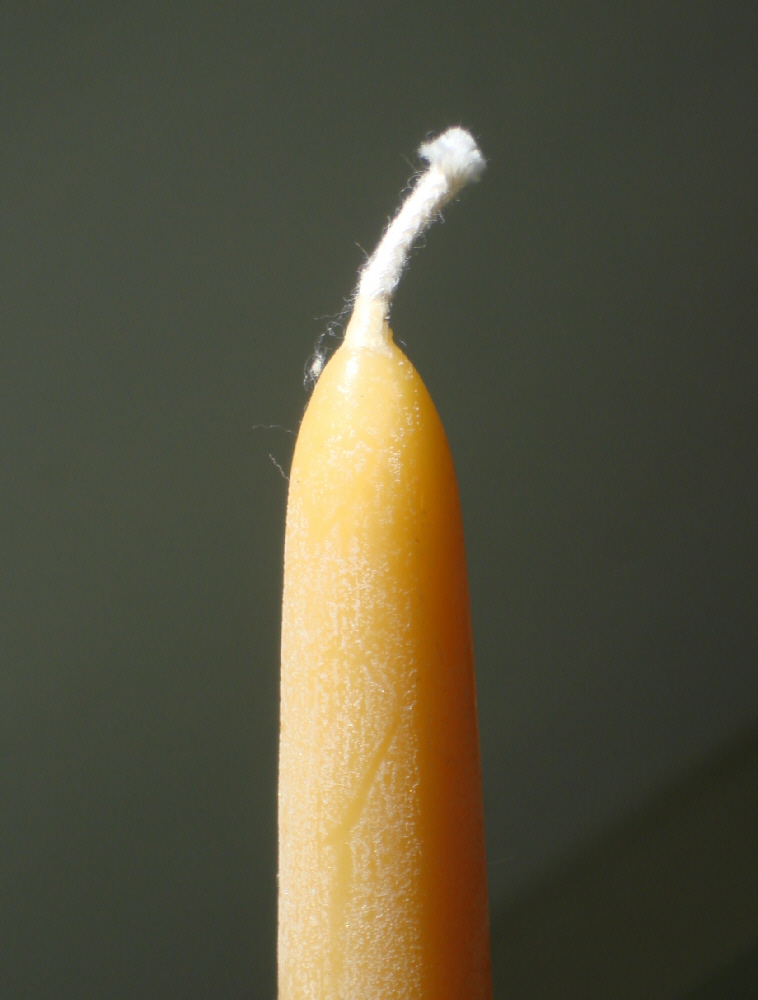
Beeswax is produced by honeybees and is one of the oldest materials used in candle making. Its melting point is higher than most plant waxes — typically 62–65°C — and it produces a natural honey-like scent even without added fragrance.
Fragrance Capacity
Beeswax has a lower fragrance load ceiling than soy, generally 3–6% by weight. Its dense, crystalline structure doesn't bind fragrance oil as readily, which means high fragrance loads tend to pool on the surface during curing rather than remaining integrated in the wax.
Burn Characteristics
Beeswax burns slowly and produces minimal soot compared to paraffin. It also has the highest melting point of the common waxes, which means it performs well in warm environments — relevant for candles placed in Canadian summers near sunny windows. The hardness of beeswax makes it better suited to pillar candles than container pours; it shrinks significantly on cooling and may pull away from glass sidewalls.
Sourcing
Canadian-produced beeswax is available directly from beekeepers and through craft suppliers. Prairie provinces — particularly Alberta and Saskatchewan — have established beekeeping industries. Locally sourced beeswax typically comes in filtered blocks or pellets and may contain trace pollen depending on filtration level.
Coconut Wax
Coconut wax is derived from cold-pressed coconut oil and is increasingly available through Canadian craft suppliers. It has a lower melting point than both soy and beeswax — around 45–50°C — and an exceptionally creamy texture that produces smooth, matte surfaces in container candles.
Fragrance Performance
Coconut wax is frequently cited for strong cold and warm throw. It accepts fragrance loads of 8–12% in most formulations and holds fragrance molecules evenly through the wax body. The clean-burning profile and low soot output make it a preferred choice for crafters marketing to health-conscious buyers.
Blending
Pure coconut wax can be soft and prone to surface imperfections. Many crafters blend coconut wax with a percentage of soy or beeswax to improve firmness and reduce the likelihood of sink holes at the pour site. A common starting blend is 70% coconut / 30% soy for container applications.
Paraffin Wax
Paraffin is a petroleum-derived wax and remains the industry standard for commercially produced candles. It has a higher melting point range (46–68°C depending on grade) and the strongest scent throw of any common wax, particularly in pillar and votive applications.
Considerations for Home Crafters
Paraffin produces more soot than plant-based waxes when burned with an oversized wick or in a drafty environment. This has contributed to a perception of paraffin as a less clean option, though the volume of soot from a properly wicked paraffin candle is within safe limits for normally ventilated spaces. Health Canada does not classify candle soot as a significant indoor air quality concern under typical use conditions.
Blending with Plant Waxes
Paraffin is frequently blended with soy wax in commercial production — blends of 50–70% soy and 30–50% paraffin combine the creamy appearance of soy with the stronger scent throw and lower cost of paraffin. For home crafters, these blends are often sold as "soy blend" or "premium soy" without specifying the paraffin percentage.
Comparison by Key Properties
| Wax Type | Melt Point | Max Fragrance Load | Scent Throw | Best Use |
|---|---|---|---|---|
| Soy (container grade) | 49–57°C | 8–10% | Moderate–good | Container candles |
| Beeswax | 62–65°C | 3–6% | Subtle (natural) | Pillars, tapers |
| Coconut wax | 45–50°C | 8–12% | Strong | Container candles |
| Paraffin | 46–68°C | 10–12% | Very strong | Pillars, votives, blends |
References
- National Candle Association — Candle Making Materials Overview
- Wikimedia Commons — Wax candle detail (CC)
- Health Canada — Indoor Air Quality Resources (publications.gc.ca)