From choosing the right wax blend for a Canadian winter pour to dialling in fragrance ratios that hold through a full burn — this site covers the craft without shortcuts.
Topics
Candle craft has a handful of variables that interact closely. Wax behaviour, fragrance chemistry, and wick physics each affect the others. These guides address each area in depth.
Soy, beeswax, coconut, and paraffin each behave differently at Canadian room temperatures. A breakdown of melting points, scent throw, and sourcing.
Read article →
Fragrance load, top-middle-base note ratios, and flash point considerations when mixing scents for container candles and wax melts.
Read article →
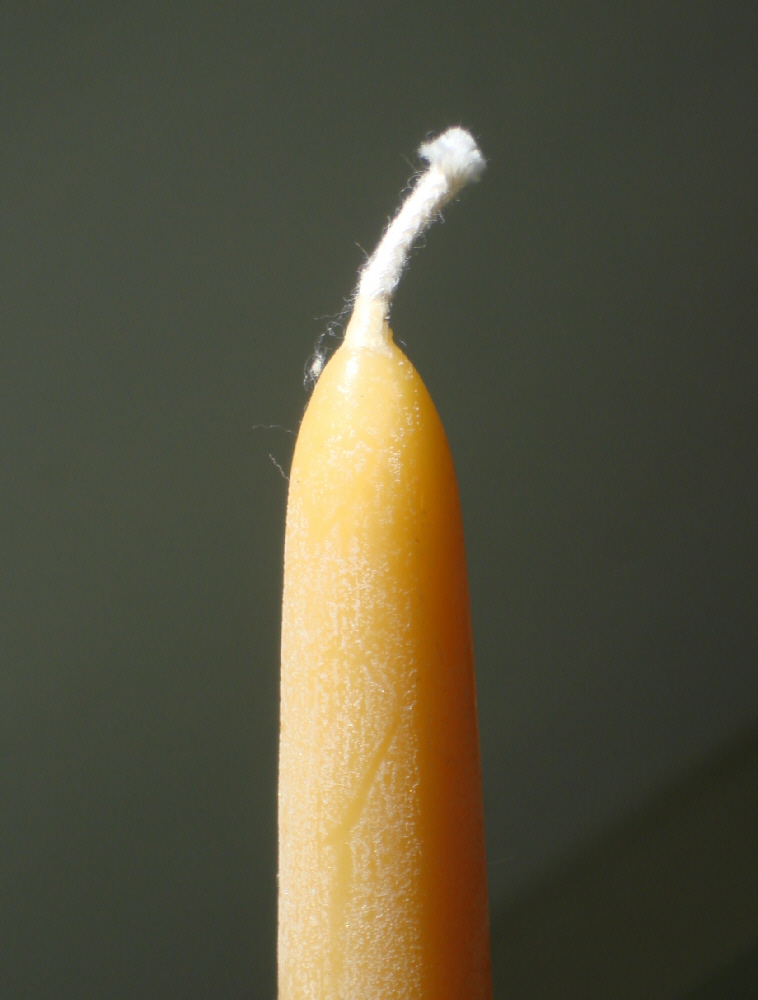
Cotton, wood, and zinc-core wicks compared by container diameter and wax type. Burn testing methods and fire safety basics for home studios.
Read article →Overview
The quality of a finished candle depends on decisions made before the first pour. Each element interacts with the others in ways that aren't always obvious until a batch cures.
Different waxes carry fragrance differently, shrink at different rates, and behave differently in cold Canadian storage. The choice of wax sets limits on everything else.
Each wax has a fragrance load ceiling — the maximum percentage it can bind without seeping. Exceeding it doesn't improve scent throw; it creates pooling and fire risk.
A wick that's too small leaves a wax memory tunnel. Too large and the flame overheats the vessel. Sizing is determined by container diameter and wax-fragrance combination.
Soy wax poured at the right temperature shows fewer sinkholes and better adhesion to glass. Seasonal ambient temperature in Canada affects the optimal pour window.
Soy-based candles benefit from a minimum 48-hour cure before the first burn. Some crafters extend this to a week to allow fragrance molecules to fully bind with the wax matrix.
Glass, tin, and ceramic vessels each transfer heat differently. The vessel material affects how quickly a melt pool forms and how consistently the candle burns across multiple sessions.
Questions about candle making techniques, sourcing in Canada, or content covered on this site can be directed through this form. Responses are typically sent within several business days.