A wick that is incorrectly sized for its container and wax combination produces predictable problems: too small and the candle tunnels through its centre, leaving walls of unmelted wax; too large and the flame overheats the container, produces excessive soot, and increases fire risk. Getting the wick right is a matter of matching physical characteristics to specific variables.
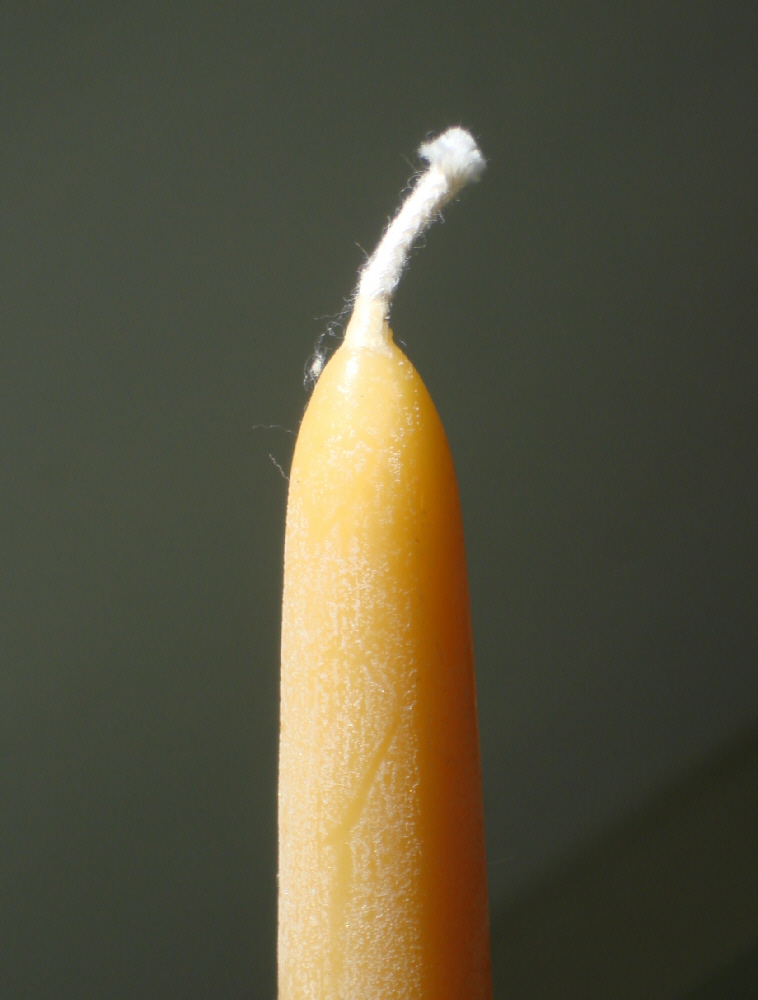
Wick Materials
The three most common wick materials for container candles are cotton, wood, and zinc-core cotton. Each burns differently and suits different wax-fragrance combinations.
Cotton Wicks
Cotton wicks are braided from natural fibres and are the most widely used option in container candle making. They are available in a range of sizes, typically designated by a series number (such as CD, ECO, or LX), where higher numbers indicate larger diameter wicks producing larger flames.
Cotton wicks are categorized by braid structure. Flat braids curl as they burn, providing a degree of self-trimming. Round braids burn more consistently but produce a larger flame per size increment. The ECO series uses a paper-threaded cotton braid that tends to reduce mushrooming — the carbon buildup at the wick tip that produces soot.
Wood Wicks
Wood wicks are single or double-ply strips of softwood that produce a crackling sound during burning. They create a wide, low flame that moves across the surface rather than burning upward in a column. This wide flame promotes melt pool formation across the full diameter of the container.
Wood wicks perform best in natural waxes with lower melting points — soy and coconut wax in particular. They can struggle to stay lit in high-fragrance blends where oils pool on the melt surface, and they require a wider container (typically 6 cm or more in diameter) to burn effectively.
Zinc-Core Wicks
Zinc-core wicks have a thin metal wire through their centre that keeps them upright during pouring and burning. They were more common before improved cotton braiding techniques made self-supporting cotton wicks widely available. Zinc-core wicks are still used in votive and tea-light production where rigidity during high-volume production matters. They produce a stiffer, more consistent burn but are not typically associated with cleaner burning profiles compared to properly sized cotton wicks.
Wick Sizing Fundamentals
Wick sizing charts — published by most wick manufacturers — map wick series numbers to container internal diameter ranges for specific wax types. These charts are starting points, not final answers. The actual correct wick for a given candle depends on:
- Container internal diameter (not external)
- Wax type and grade
- Fragrance load percentage
- Fragrance oil viscosity (thicker oils may require a slightly larger wick)
- Colourant use (dyes can affect flame temperature)
| Container Diameter | Soy Wax (approx.) | Coconut Wax (approx.) | Paraffin (approx.) |
|---|---|---|---|
| Under 5 cm | CD-12 / ECO-4 | CD-10 / ECO-2 | CD-14 / ECO-6 |
| 5–7 cm | CD-16 / ECO-8 | CD-14 / ECO-6 | CD-18 / ECO-10 |
| 7–9 cm | CD-20 / ECO-12 | CD-18 / ECO-10 | CD-22 / ECO-14 |
| Over 9 cm | Double wick CD-16 | Double wick CD-14 | Double wick CD-18 |
These are approximate starting sizes for 6–8% fragrance loads. Sizes shift up or down depending on actual test results.
Burn Testing Protocol
No wick size selection is final until it has been burn-tested in the actual combination of wax, fragrance, and container being used. Standard burn testing involves a structured observation over several burn sessions.
Initial Burn Test
For the first burn, the candle should be allowed to develop a full melt pool — liquid wax reaching the edge of the container — or burned for a maximum of 4 hours, whichever comes first. Observations to record:
- Time to full melt pool (less than 3–4 hours is generally acceptable for container candles up to 8 cm diameter)
- Flame height (a steady flame of 1.5–2.5 cm is typical for medium-sized container candles)
- Wick mushrooming — carbon buildup at the tip that develops during burning
- Soot deposition on jar walls or wick holder
- Flame behaviour — flickering, drowning, or self-extinguishing
Subsequent Burns
After the initial burn, trim the wick to approximately 6 mm before each subsequent burn. A wick trimmer or sharp scissors works better than tearing the carbon tip, which can drop debris into the melt pool. Burn for 2–4 hour sessions and observe the same characteristics as the initial burn.
Tunnelling indicator: If the melt pool does not reach the container walls within the first burn, the wick is likely undersized. If the flame is consistently taller than 3 cm, smokes visibly, or produces significant soot on the glass, the wick is likely oversized. Move one size up or down and retest with a fresh candle — do not retest in a partially burned candle, as the wax pool depth has changed.
Candle Safety for Home Studios
Home candle making involves working with hot liquid wax, fragrance oils (some of which have low flash points), and open flames during testing. A few practical measures reduce risk significantly.
Workspace Setup
Work on a flat, stable, heat-resistant surface. Keep a dry chemical fire extinguisher rated for Class B fires (flammable liquids) accessible in the workspace. Never leave melting wax unattended — wax left over heat can exceed its flash point. A double-boiler setup (wax in a pot inside a water bath) prevents direct contact between wax and a heat element and reduces the risk of overheating.
Temperature Control
Use a digital thermometer rather than estimating wax temperature by appearance. Soy wax should not be heated above 85°C; paraffin grades vary but most container paraffin should not exceed 90°C. Above these temperatures, thermal degradation can affect wax quality and fragrance binding.
Burn Testing Safety
Burn tests should be conducted in a controlled environment, on a heat-resistant surface, away from flammable materials. Never burn test candles unattended. Keep a record of each test burn — container type, wick series and size, wax type, fragrance and load percentage — so results are reproducible and traceable.
Consumer Safety Labelling
Candles sold or given as gifts should include basic safety information: maximum burn time (typically 4 hours per session), instruction to trim the wick to 6 mm before each burn, instruction to keep away from flammable materials and out of reach of children, and a warning not to leave burning candles unattended. The Canadian Consumer Product Safety Act requires that consumer products, including candles, meet safety requirements applicable to their product category. For crafters producing candles for sale, reviewing Health Canada's relevant guidance is advisable.

References
- National Candle Association — Fire Safety and Candle Use
- Health Canada — Consumer Product Safety
- Wikimedia Commons — Candle Wick (CC), Vinewick Candle Flame (CC)

